
Editorial practice
What a certificate of analysis can tell a reader
A practical workflow for checking a laboratory report’s identity, scope, units and limits.
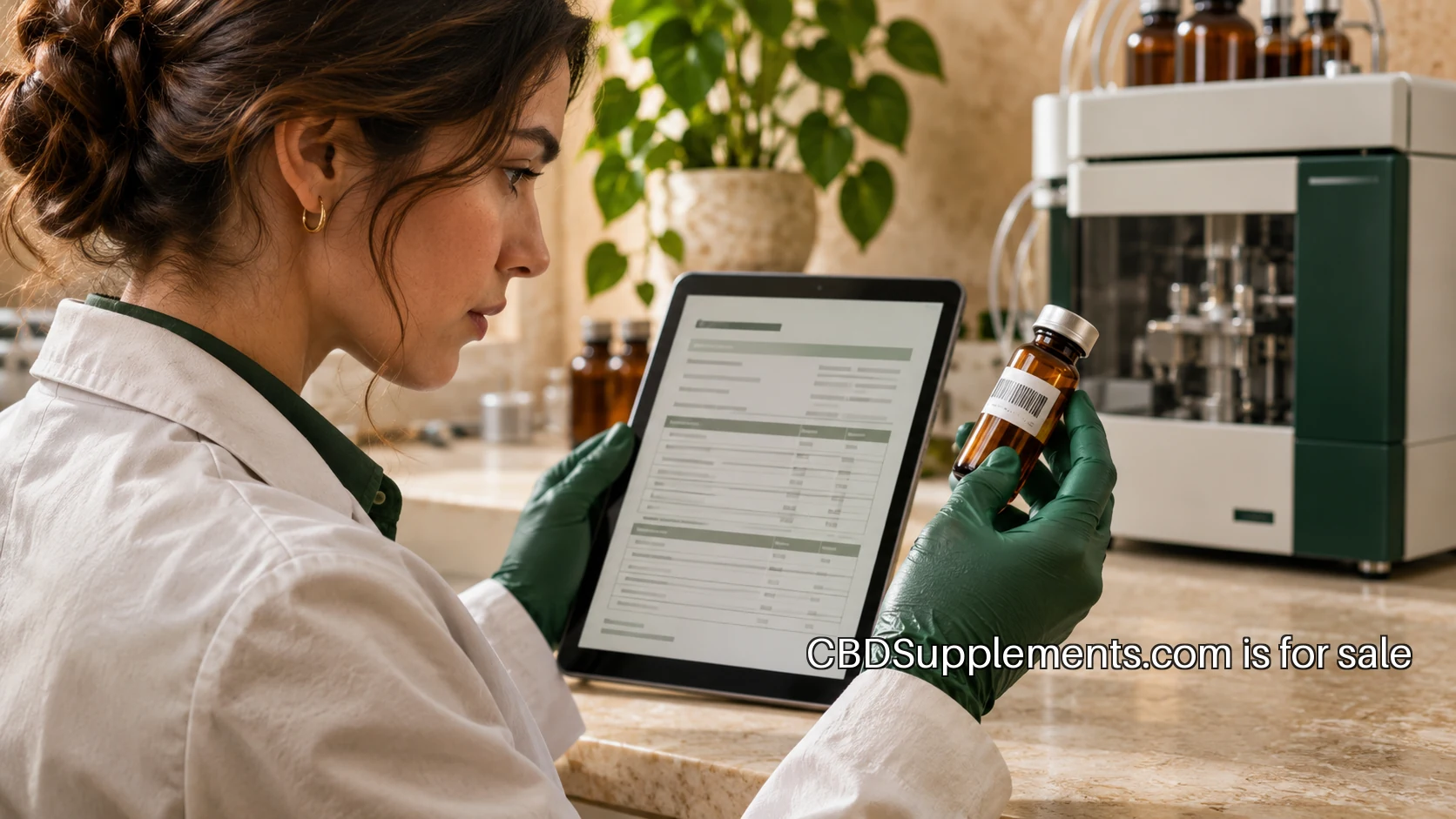
A certificate of analysis can look conclusive at first glance. There is a laboratory name, a table of results and often a prominent status label. For an editor or researcher, the useful first question is more specific: what exactly does this document describe? Reading the identifiers and scope before the results helps keep a summary attached to the sample that was actually tested.
This guide is about reading a document. It does not evaluate a product for personal use, supply a dosing recommendation or determine compliance in a particular jurisdiction. Those questions require different evidence and appropriate professional expertise. The aim here is to give an editorial reader a repeatable way to inspect a report and record the questions that need follow-up.
Start with the original document
Open the report through the issuing laboratory or the manufacturer's public documentation page when possible. A cropped screenshot may omit the page containing methods, dates or qualifications. Record the original URL and the date you accessed it. If the link came through a QR code, keep the destination URL as well as the product page that supplied it.
Check whether the file contains every page. Page numbering, a report identifier and repeated sample information can help establish that the pages belong together. A filename is a convenience rather than proof of identity. If the document appears incomplete, request the complete version before summarizing results. Keep the incomplete file marked as such in your own research notes.
A downloadable file may change without its URL changing. For an editorial project, preserve a permitted working copy or a checksum in accordance with your storage policy. That gives a second reviewer a way to identify the version you read. It does not establish that the report is authentic; questions about issuance still belong with the issuing organization.
Match the report to the sample
Find the sample name, batch or lot identifier, report number and any client reference. Compare them with the specific product or documentation record you are investigating. Similar product names can appear across different formulations and batches. A report for one batch should remain attached to that batch in a research database, even if a newer report later appears on the same product page.
Dates have separate jobs. The sample collection date, receipt date, testing dates and report issue date may differ. Record the labels the document actually uses. An issue date tells you when that report was issued; it does not automatically tell you when a product was manufactured or how long the information remains applicable. If those relationships matter to your assignment, ask for the supporting records.
Also note the sample matrix. Oil, plant material and other preparations can require different analytical approaches. Avoid dropping that information when copying a result into a table. A compact editorial record can retain the sample description verbatim, with a separate plain-language note explaining why it belongs to the record under review.
Read the scope before the numbers
A report lists the analyses performed on the submitted sample. Look for the names of the analytes, the methods cited and the sections actually present. Do not infer that a substance was examined because it appears in a general description of laboratory testing elsewhere. If a category is missing from the report, the document alone does not establish a result for that category.
California's Department of Cannabis Control overview describes the test categories and COA reporting used in its regulated cannabis program. That is a jurisdiction-specific example. When writing about another product or market, identify the applicable source and context rather than importing that example as a universal requirement.
A pass or fail label should be read with the named test, threshold and context. It is not a general editorial conclusion about every possible property of the product. If the report refers to a standard or requirement you have not reviewed, preserve the reference and consult the original material or a qualified specialist before explaining its significance.
Keep units attached to every value
Copy a result together with its unit and the exact analyte name. A percentage, a concentration and an amount per serving are different forms of information. They should not be combined in a comparison chart without a documented basis. If a report contains multiple columns, verify which column is a measured result and which is a reporting limit or specification.
Terms such as detection limit, quantitation limit and not detected require the report's own definitions and method context. Do not rewrite an abbreviation as “zero” merely because that would make a shorter sentence. If the report does not define a term, flag the ambiguity and ask the laboratory for clarification. The publication can state the limitation while leaving the value in its original form.
Calculated totals deserve a similar pause. A total may depend on a formula, conversion factor or reporting convention. Find the method note before comparing it with a value from another laboratory. If the formula is not visible, record that question for the issuer. An editor can describe the document accurately without attempting a calculation beyond their expertise.
Look at the laboratory and method context
Identify the issuing laboratory and any accreditation or license information printed on the report. Verify relevant claims against the issuing body's public records when they matter to your assignment. A logo on a PDF is a starting point for checking, rather than a substitute for checking the scope or current status of an accreditation.
The NIST cannabis laboratory quality-assurance program describes work on analytical methods, reference materials and laboratory comparisons. It offers primary measurement context for an editor building background knowledge. Participation in a program and a result on an individual commercial report are separate matters; avoid implying an endorsement that the source does not make.
When the assignment involves interpreting uncertainty or comparing methods, bring in a qualified analytical specialist. Give that reviewer the complete documents and the exact question. “Are these two values directly comparable?” is a more useful request than asking for a general opinion on the products. Keep the specialist's interpretation distinct from the underlying reported values.
Write the summary so it can be checked
A careful summary names the report, the sample identifier, the relevant date and the exact result being discussed. Link the original document and state what remains unresolved. Avoid turning a narrow result into a broad description of the brand. Another editor should be able to follow the link and reproduce the factual portion of your sentence.
For a first exercise, compare the identifiers on one complete public report with the page that links to it. Make a short checklist of matches, missing fields and questions for the issuer. That small task builds the habit that matters most: keeping every statement attached to a specific document. A source-led publication on CBDSupplements.com can make that care visible from its first article, under a name that clearly states the category it covers.
A category name for your next publication
Discuss acquiring CBDSupplements.com or describe the partnership you have in mind.
Request pricing